
Why Stocking Matters: A Legacy Worth Preserving
Stocking Elementary is more than a building—it is a living part of the West Side’s story.
For generations, it has been a place where neighbors gathered, children learned, and community life took shape. Long before conversations about its future began, Stocking was already doing what it was always meant to do: bringing people together.
Rooted in West Side History
The story of Stocking begins long before the school itself.
Billius Stocking, an early settler who arrived in Grand Rapids in the 1830s, helped shape the development of the West Side. As a landowner and civic leader, he laid out what would become Stocking Street—still a central corridor in the neighborhood today.
The land where the school now stands was once part of the Stocking homestead, directly connecting the site to the earliest chapters of West Side history.
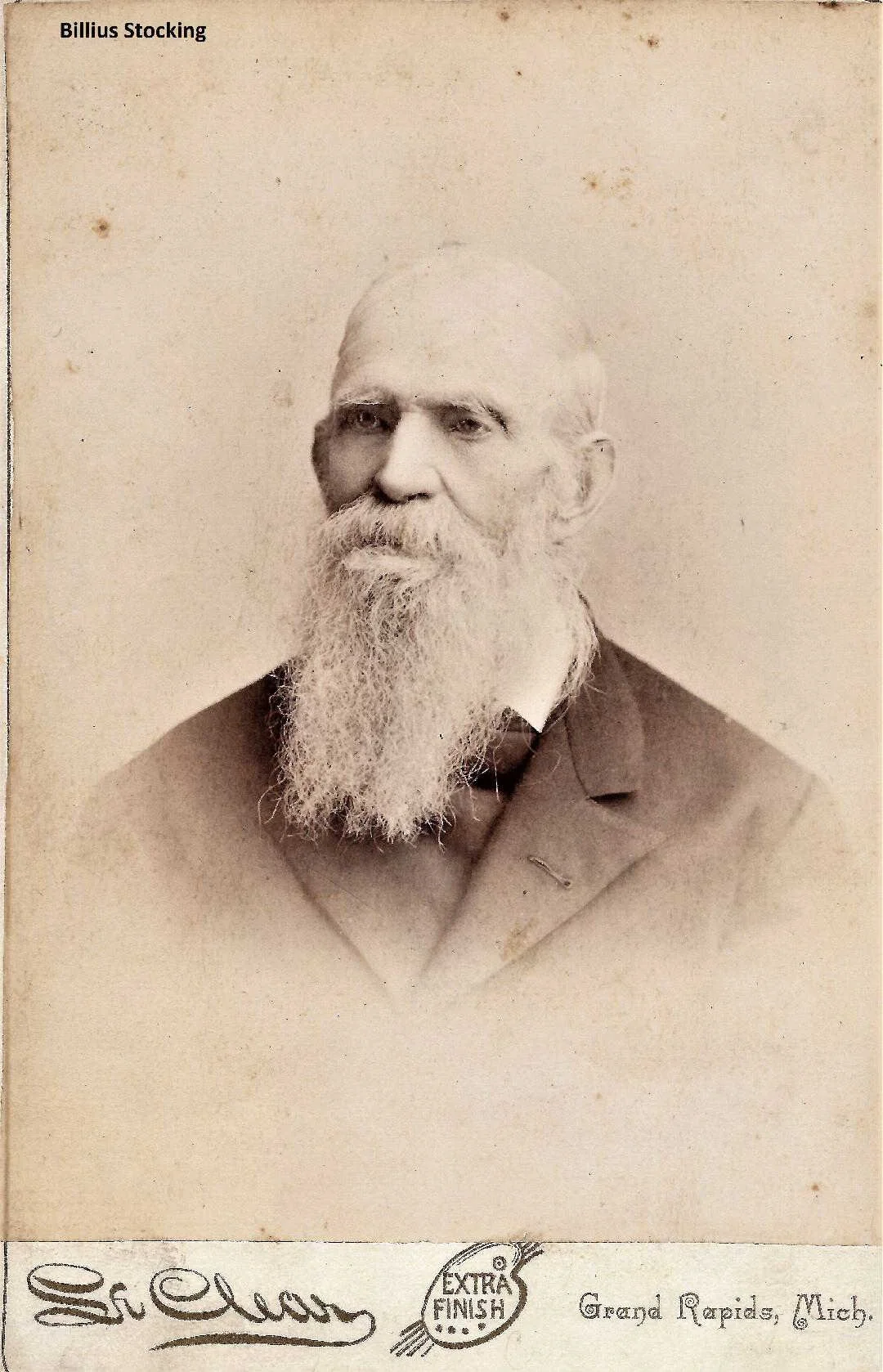
Billius Stocking, early West Side settler whose legacy shaped the neighborhood
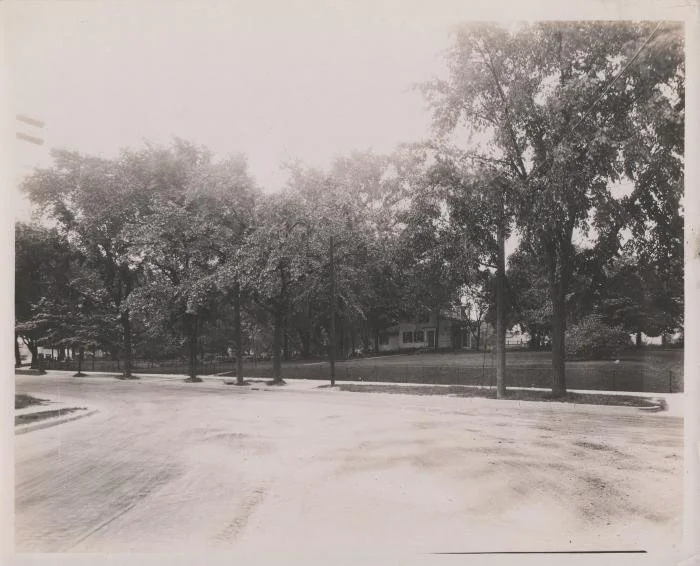
The Stocking homestead, in 1920—land that would later become the school site
A School Ahead of Its Time
When Stocking Elementary opened its doors on February 1, 1924, it was more than just a new school—it was a forward-thinking investment in the community.
But even before the building existed, the foundation for community involvement was already in place.
In 1906, parents formed what was known as the Mother’s Club at the earlier Seventh Street School, with the goal of creating a closer connection between home and school .
When Stocking Elementary opened in 1924, the Mother’s Club moved into the new building, continuing its work as part of the new school community. Over time, the organization evolved into the Stocking School Parent Teacher Association (PTA), which remained active for decades in supporting students, families, and school programs .
This continuity reflects something important: the sense of community that defines Stocking did not begin with the building—it was carried into it.
A Thoughtfully Designed Space
Designed by Grand Rapids architects Henry H. Turner and V. E. Thebaud, the building reflected both durability and intention.
Its architecture drew inspiration from Italian and Spanish design, creating a structure that felt welcoming rather than institutional.
As described at the time:
“A distinct departure from the rigid and uninviting institutionalized school.”
Inside, the building included:
A community-use gymnasium
A branch public library
Flexible spaces designed for a wide range of uses
At the time of its construction, Stocking was recognized as:
“One of the most complete and unique schools in the country.”
A Commitment to Accessibility and Care
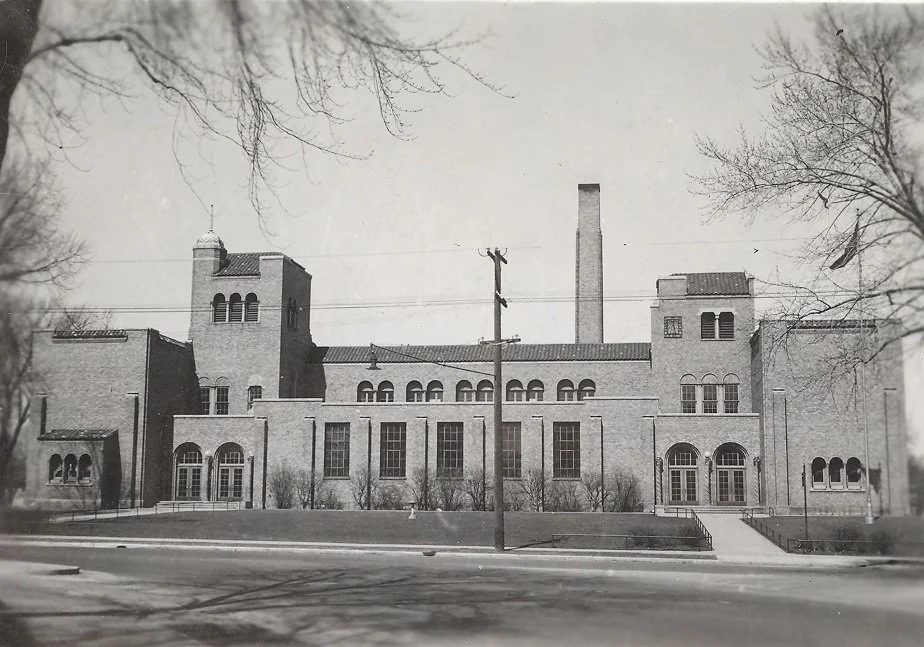
Stocking Elementary, 1936 - Stocking Elementary, designed as both a school and a community-centered space
Stocking’s forward-thinking design extended beyond architecture.
When the school first opened, it was also home to an Orthopedic program in partnership with Mary Free Bed, providing both education and therapy for children with disabilities .
This included:
Specialized classrooms
Therapeutic support services
Building features designed for accessibility
At a time when these services were rare, Stocking stood out as a place intentionally designed to serve all children, reflecting a broader commitment to inclusion and care.
More Than a School
From the beginning, Stocking was built to be more than a place for instruction.
It was a place the community used—and that role continued for generations.
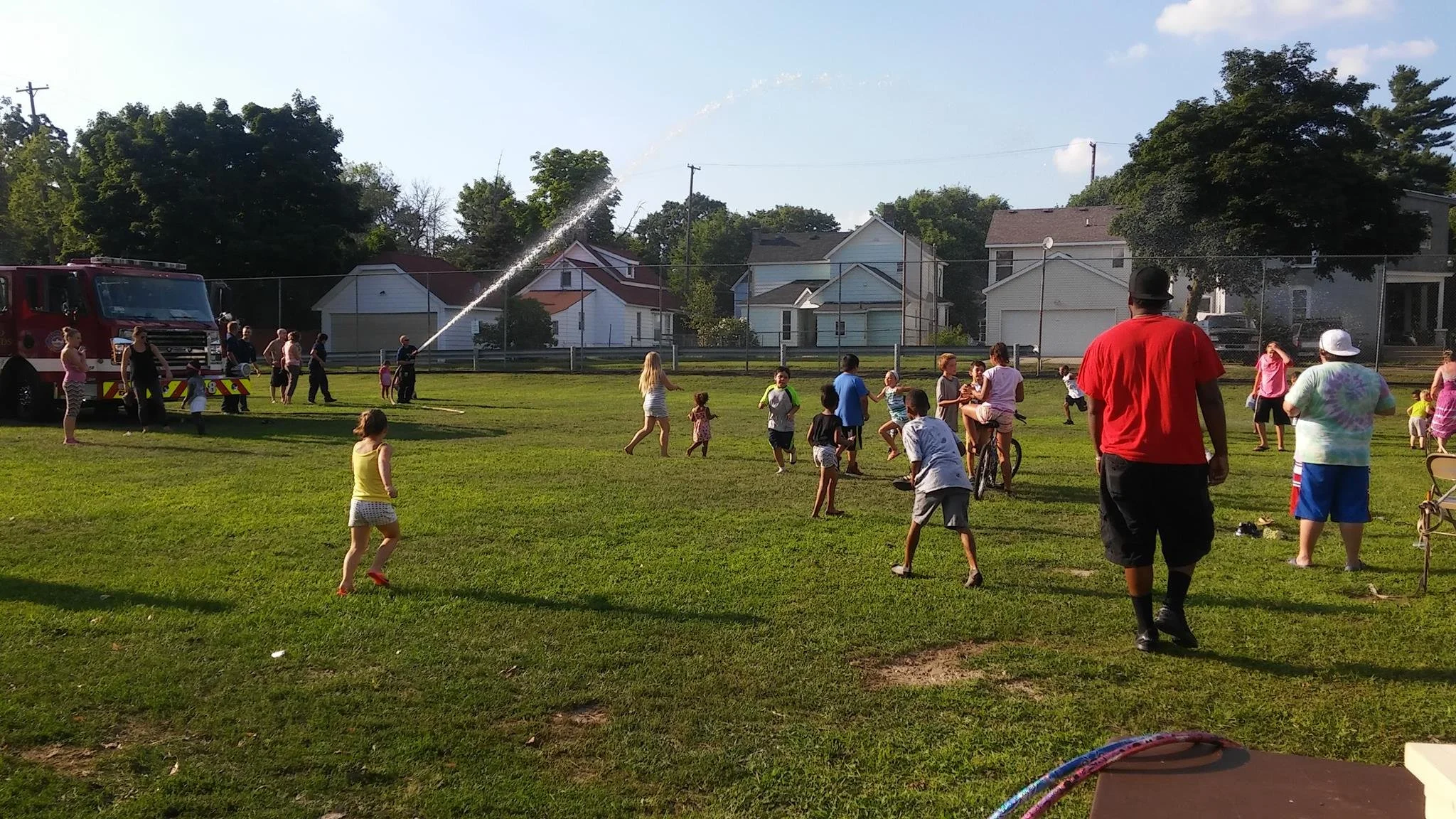
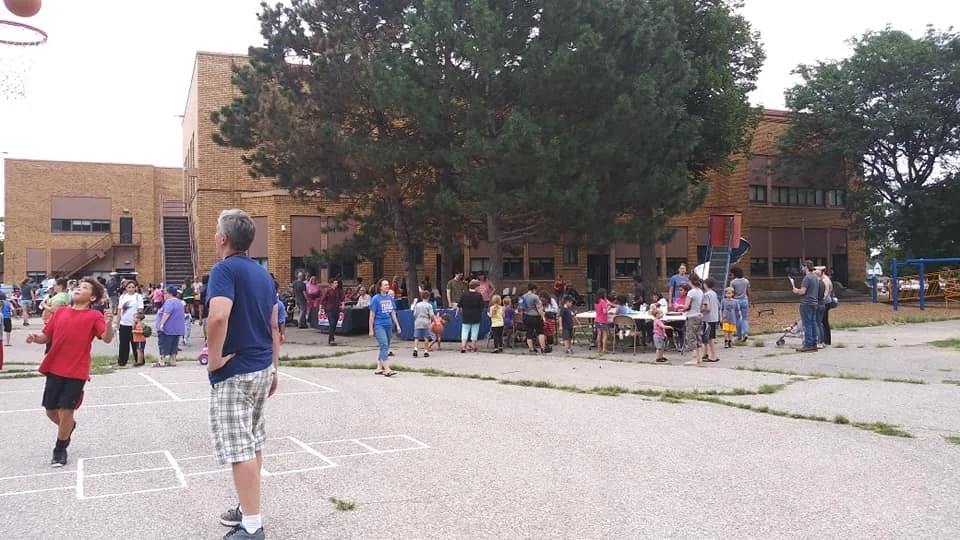
Community in Action at Stocking
Stocking’s role as a community space didn’t end with its original design—it continued through the people who used it.
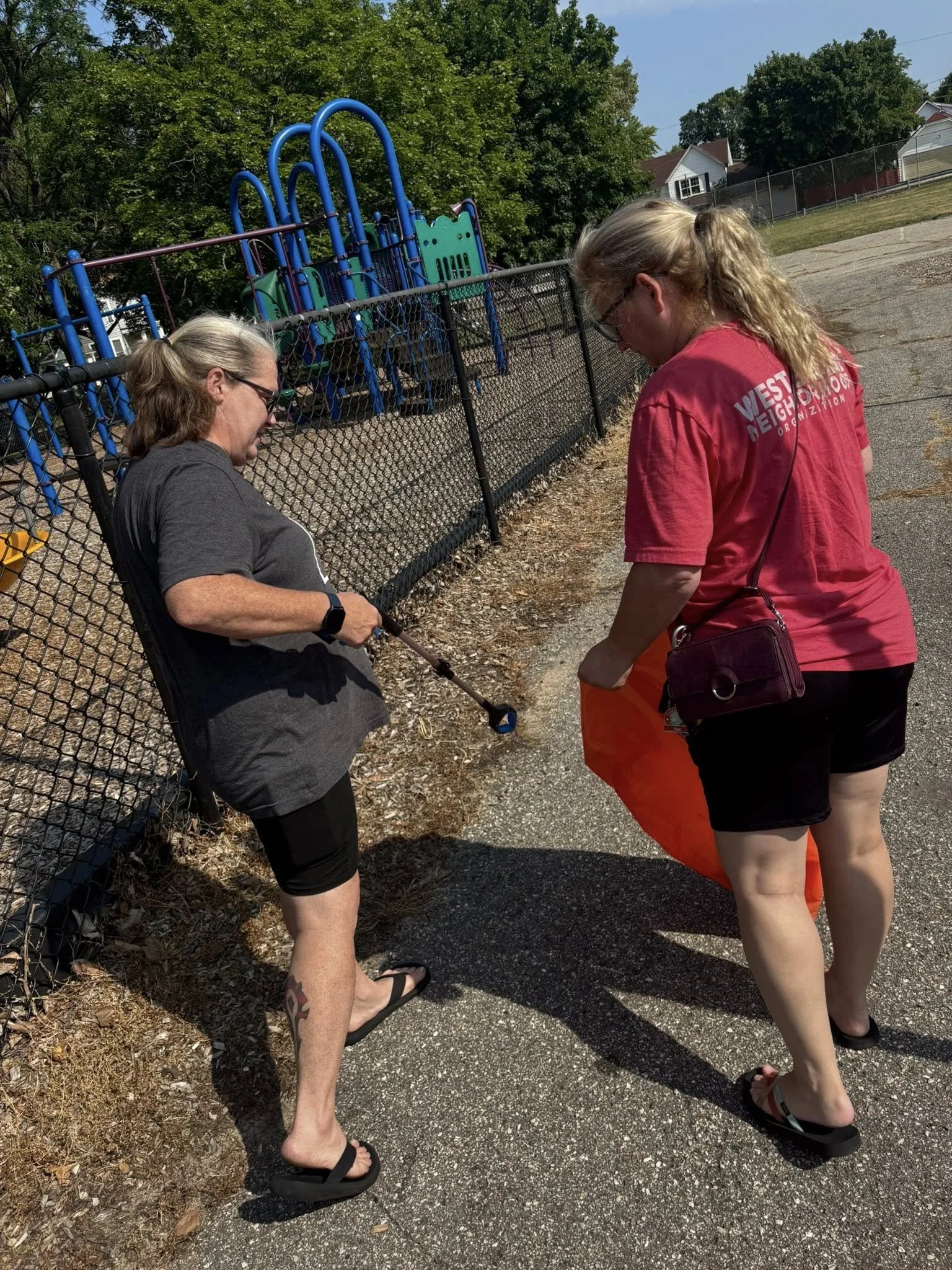
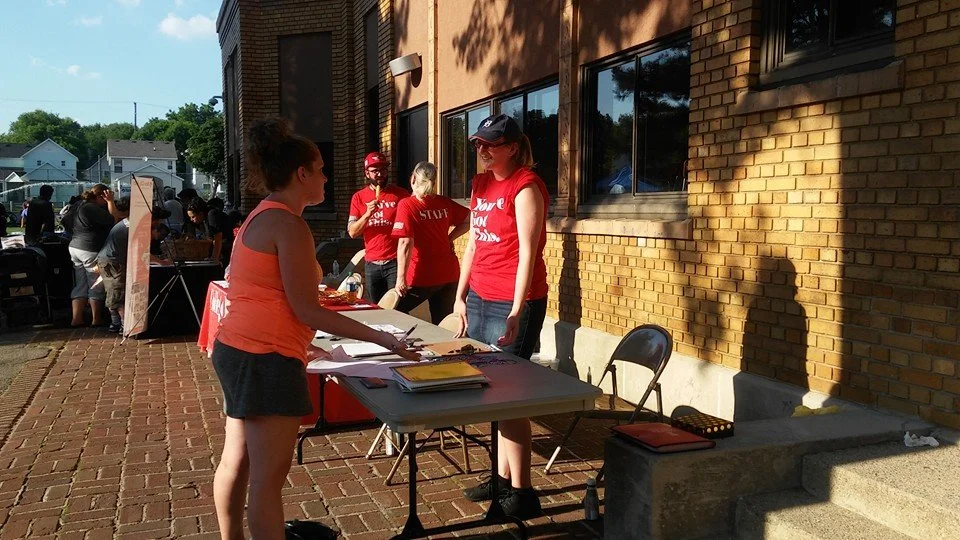
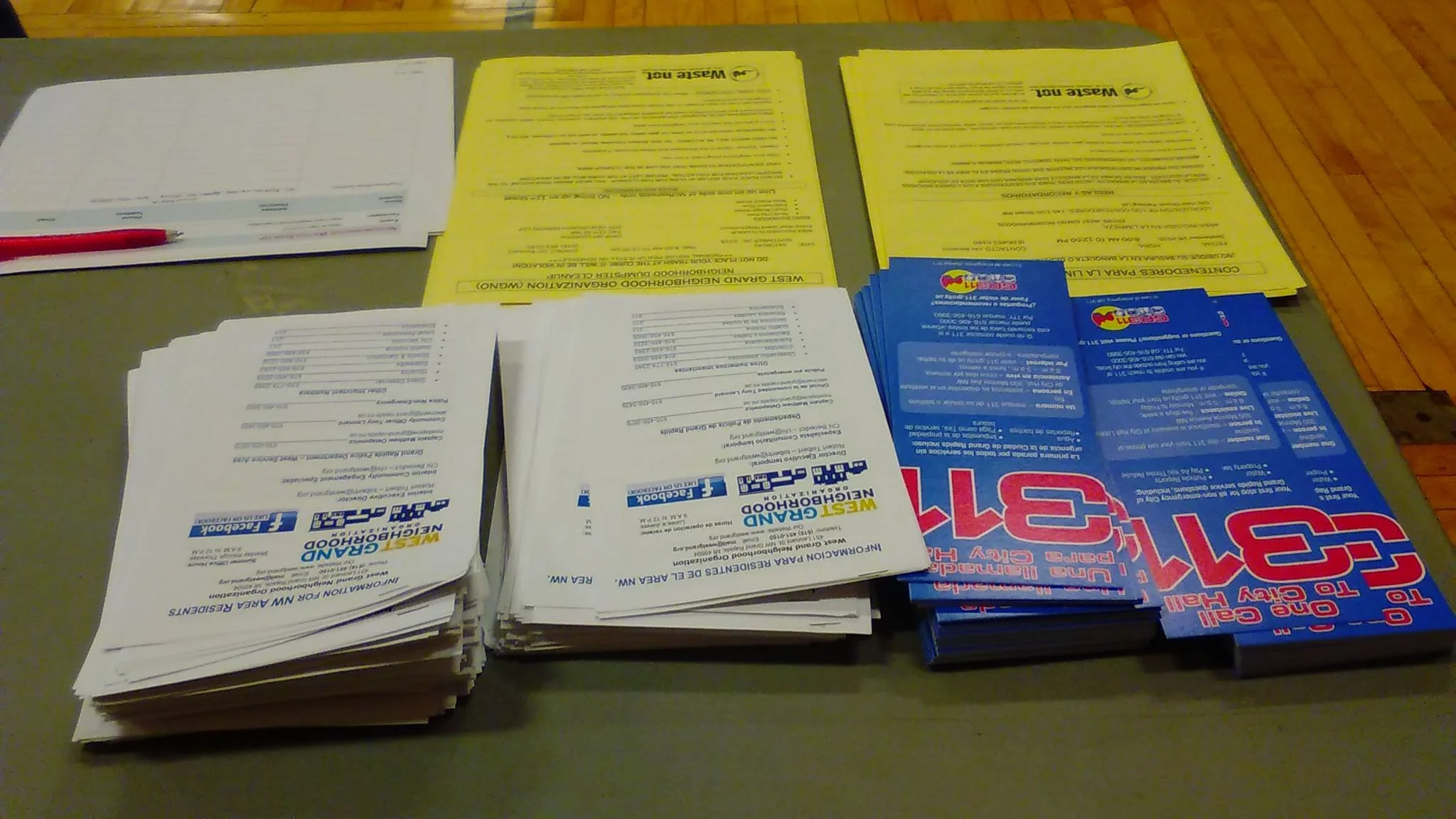
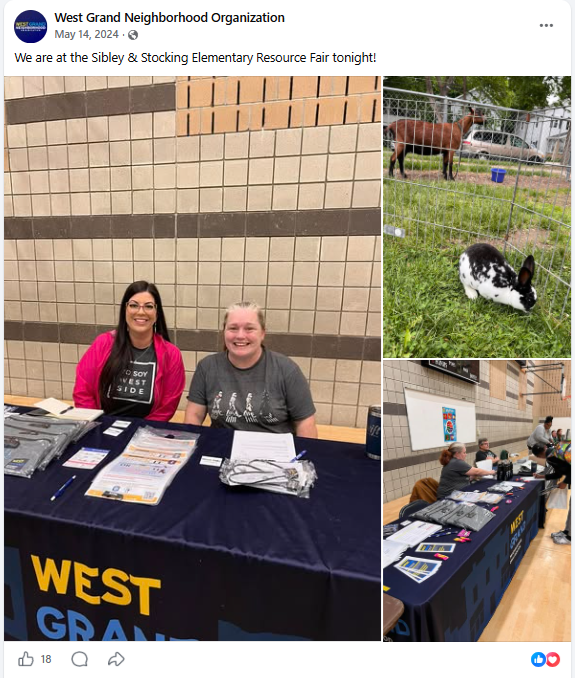
For years, the West Grand Neighborhood Organization (WGNO) has been part of that story, working alongside the school and community to bring the space to life.
WGNO has:
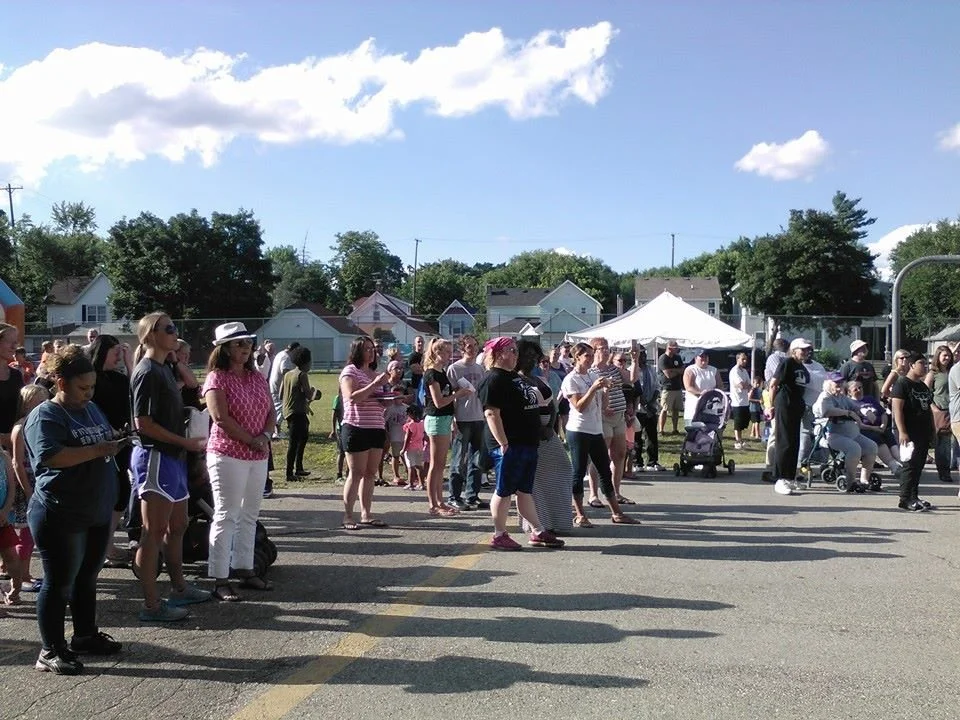
Hosted National Night Out events on-site
Organized and attended community meetings within the building
Participated in Community School Leadership Team efforts
Volunteered at school events and student programs
Helped fundraise for resources to support students and families
WGNO’s connection to Stocking also extends into preserving its history. A WGNO staff member who had children attend the school helped create a historical display that was once featured in the school’s waiting area and has continued to collect and preserve historical documents related to the property over the years.
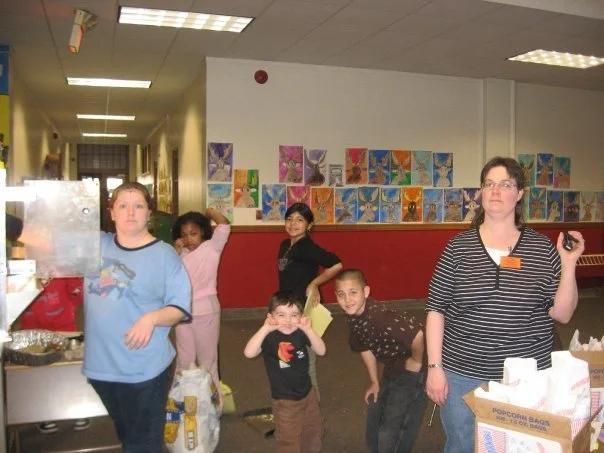
Even in its final years before closing in 2024, Stocking remained active—a place where people still gathered, connected, and showed up for one another.
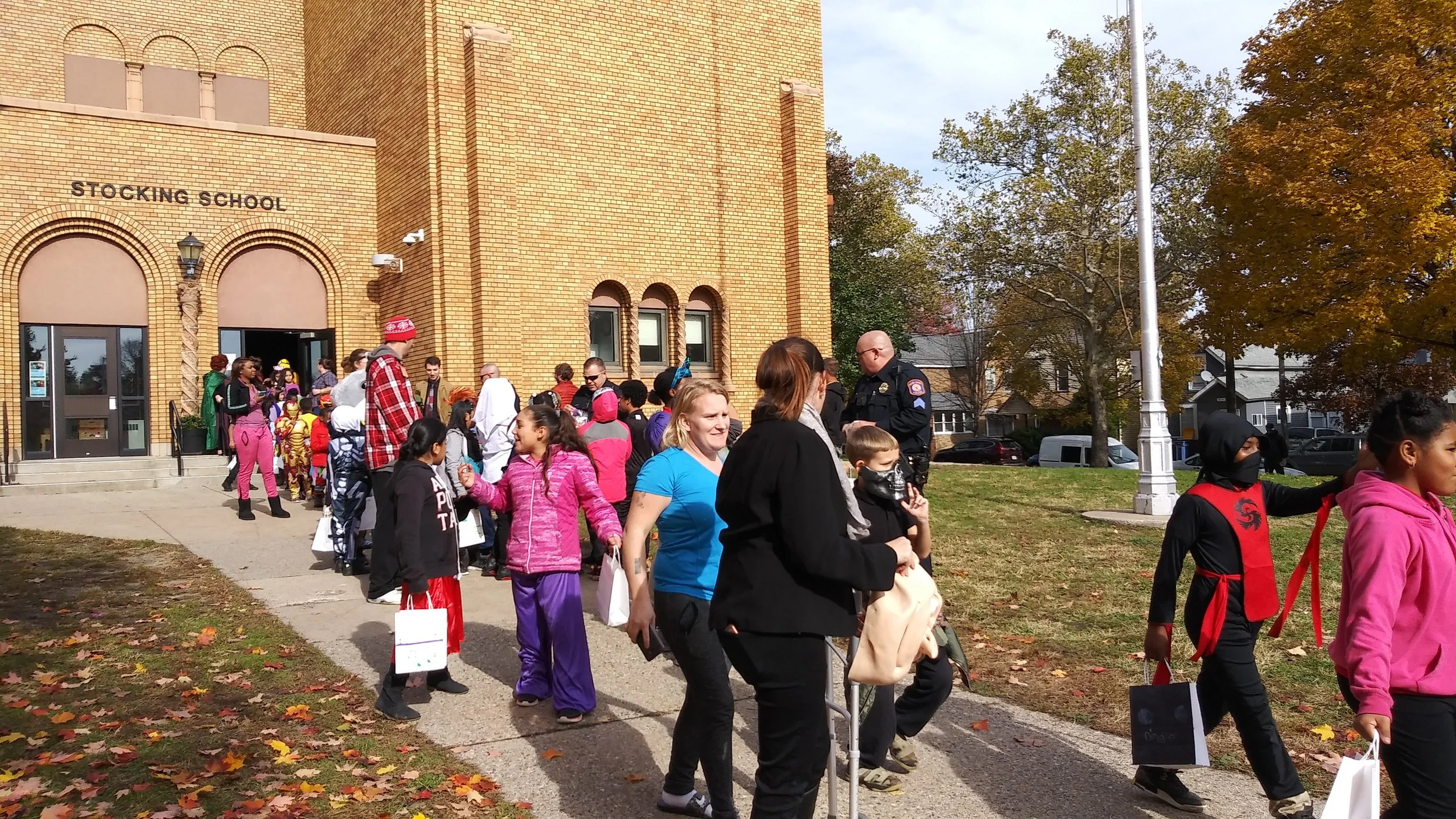
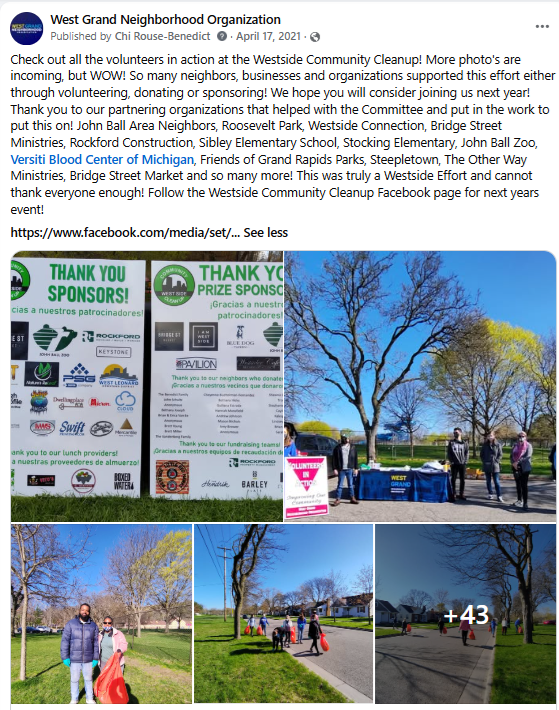
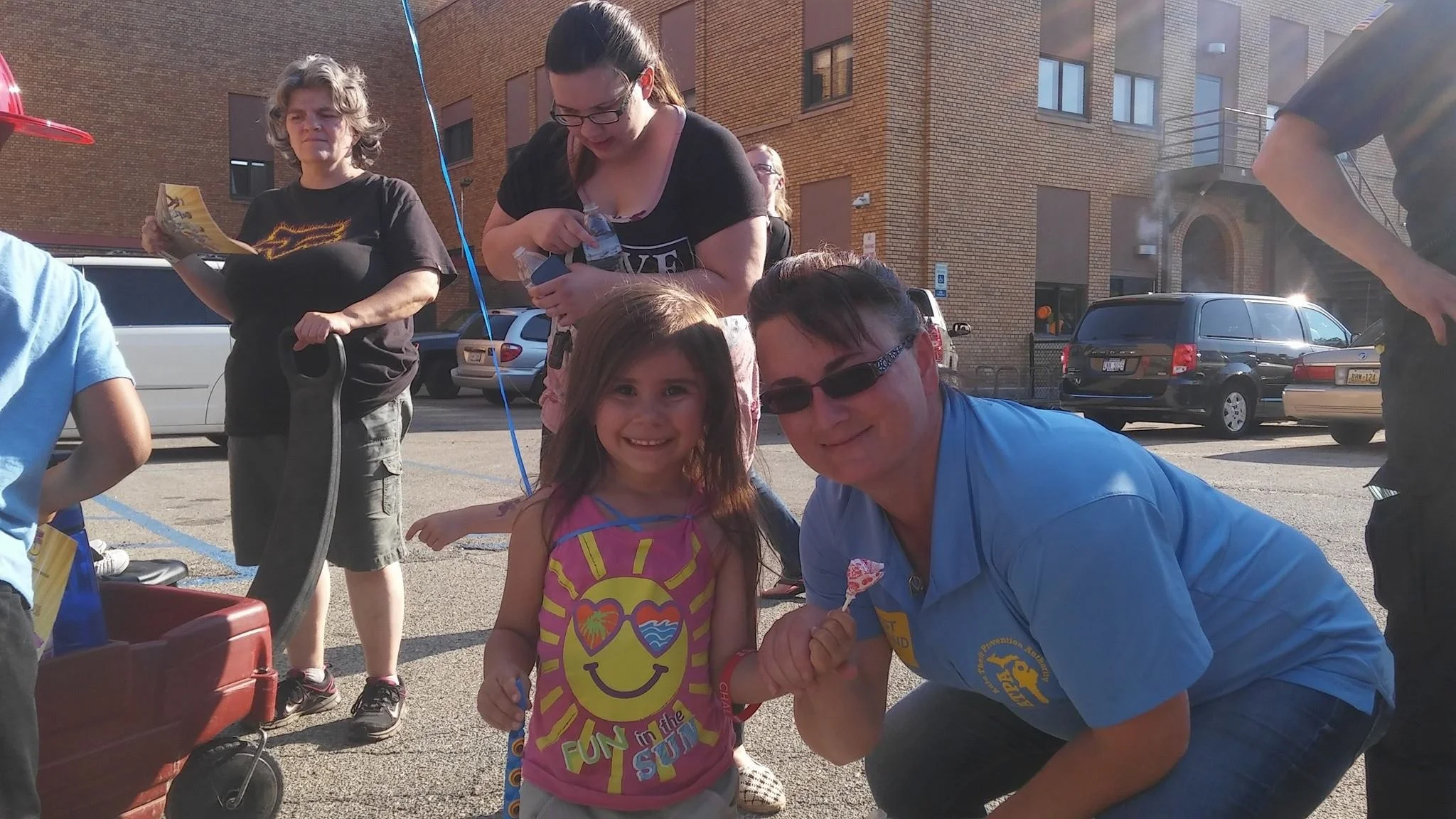
A Look at Community Life at Stocking
A space that has always belonged to the community
A Legacy That Continues
Stocking Elementary’s story is not just about the past—it’s about continuity.
The building has always been:
A place to gather
A place to learn
A place to connect
And that’s what makes it different.
This isn’t a building that needs a new identity.
It already has one.
Why This Matters Today
As decisions are made about the future of the site, its history offers something important:
Clarity.
Stocking was never just a school building—it was designed, used, and supported as a community space for over a century.
Preserving and reactivating it isn’t about starting over.
It’s about continuing something that has always been there.
A space rooted in neighborhood history
A building designed for shared use
A place where community already happens
Looking Ahead
There is an opportunity in front of us—not just to reuse a building, but to carry forward a legacy.
To honor what Stocking has been…
And ensure it continues to serve the people it was always meant for.
Stay Connected
Want to learn more about the future of Stocking and how to get involved?
Visit: https://westgrand.org/stocking-hub
Together, we can carry this legacy forward.
Sources
Grand Rapids Spectator, December 1923 - Volume 12, Page 22
Grand Rapids History Center, Stocking School PTA Records (Collection 376)
Baxter, Albert. History of the City of Grand Rapids, Michigan (1891)
Grand Rapids Herald (1893), obituary of Billius Stocking Jr.
Grand Rapids Public Schools / City archival records
West Grand Neighborhood Organization historical engagement records